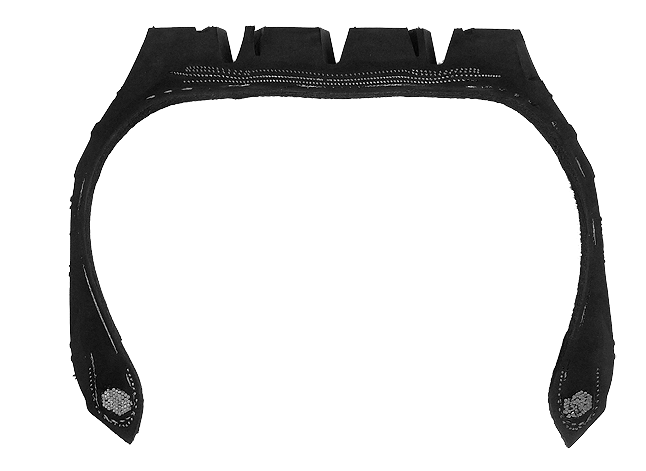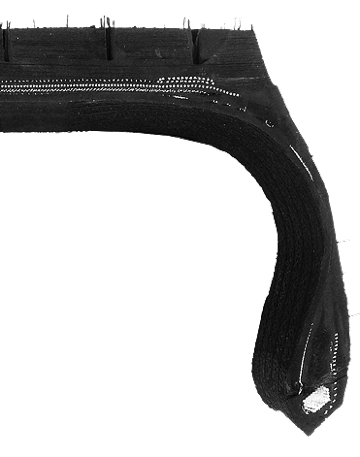

Six proprietary technologies working together to deliver ultra-high mileage, lower operating costs, and maximum casing durability for American fleets.
Hanksugi tires carry the US EPA SmartWay designation, recognizing our commitment to fuel efficiency and reduced emissions. Our low rolling resistance technology helps fleets lower fuel consumption while meeting environmental standards across the United States.
Research & Development
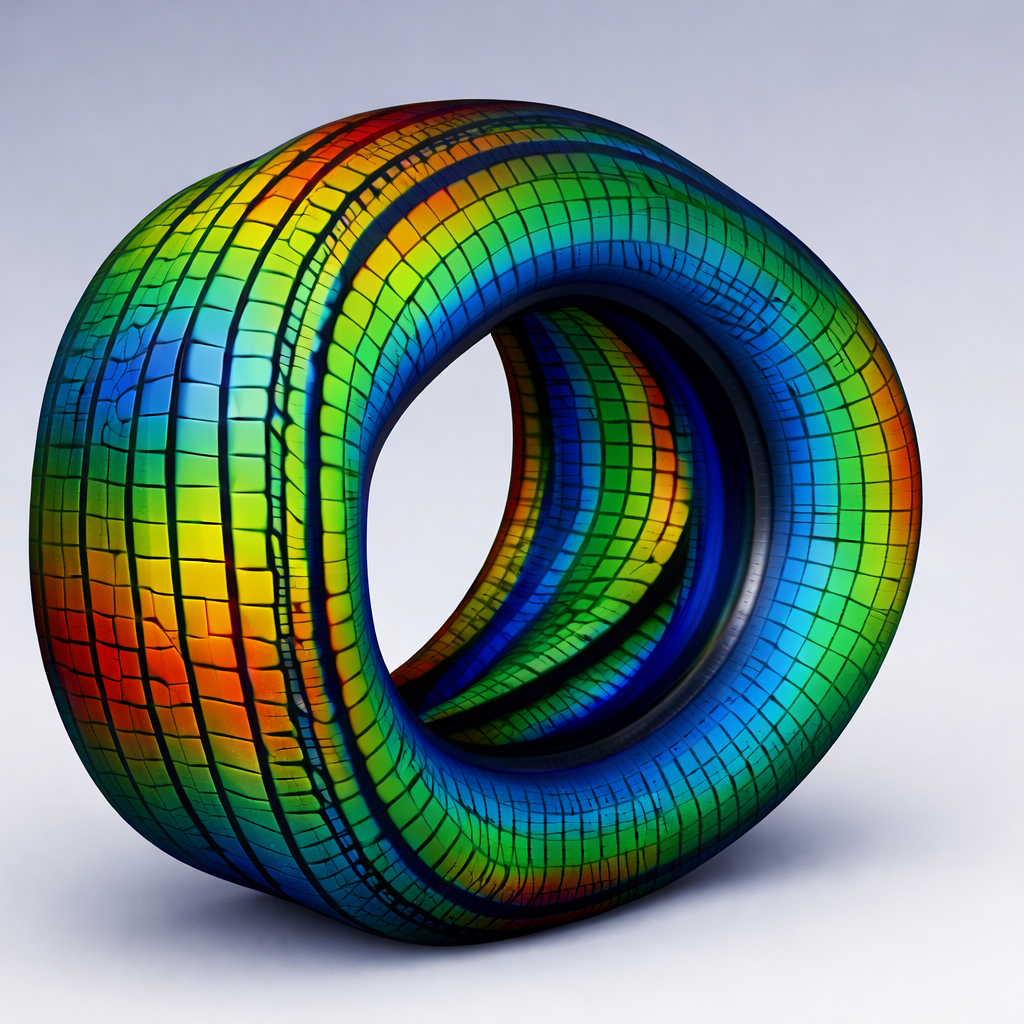
Every tire is validated across four performance dimensions using advanced FEM simulation and real-world testing.
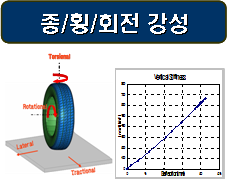
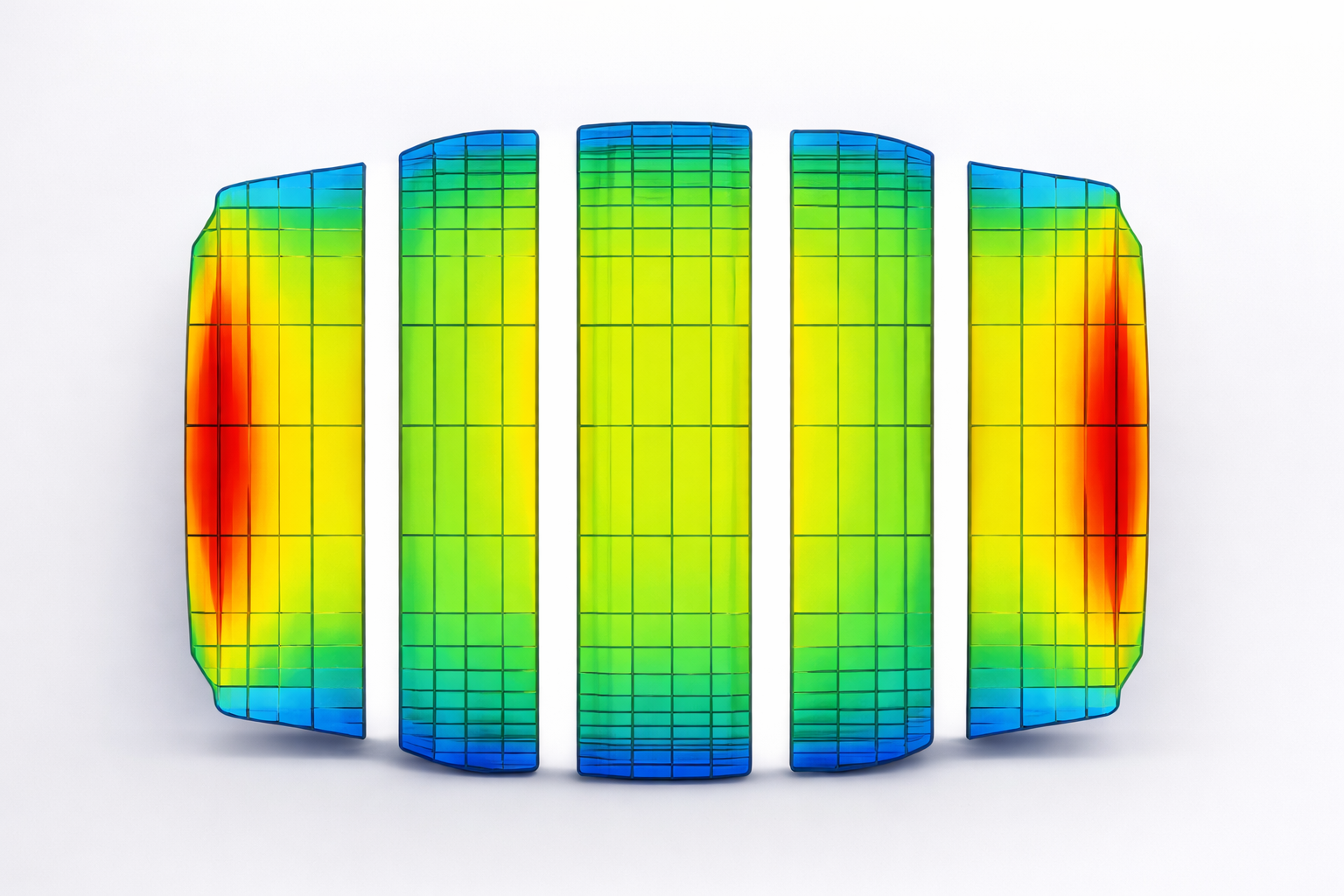
Vertical, lateral, and torsional stiffness analysis ensures optimal ride quality and load distribution across all axes.
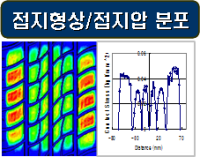
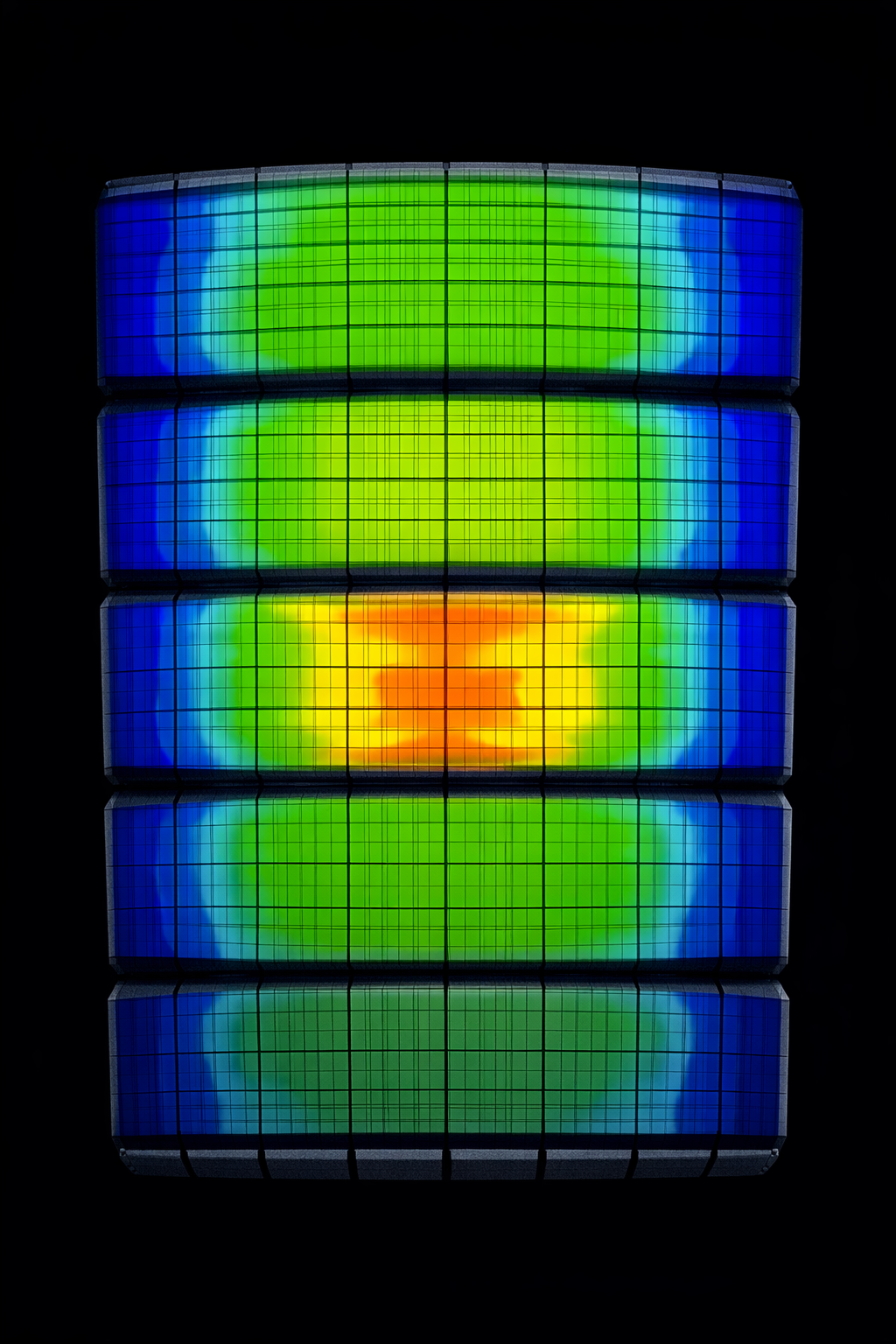
Contact patch imaging maps pressure uniformity to ensure even wear patterns and maximum grip across the footprint.
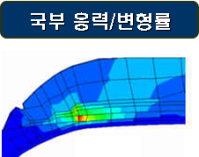
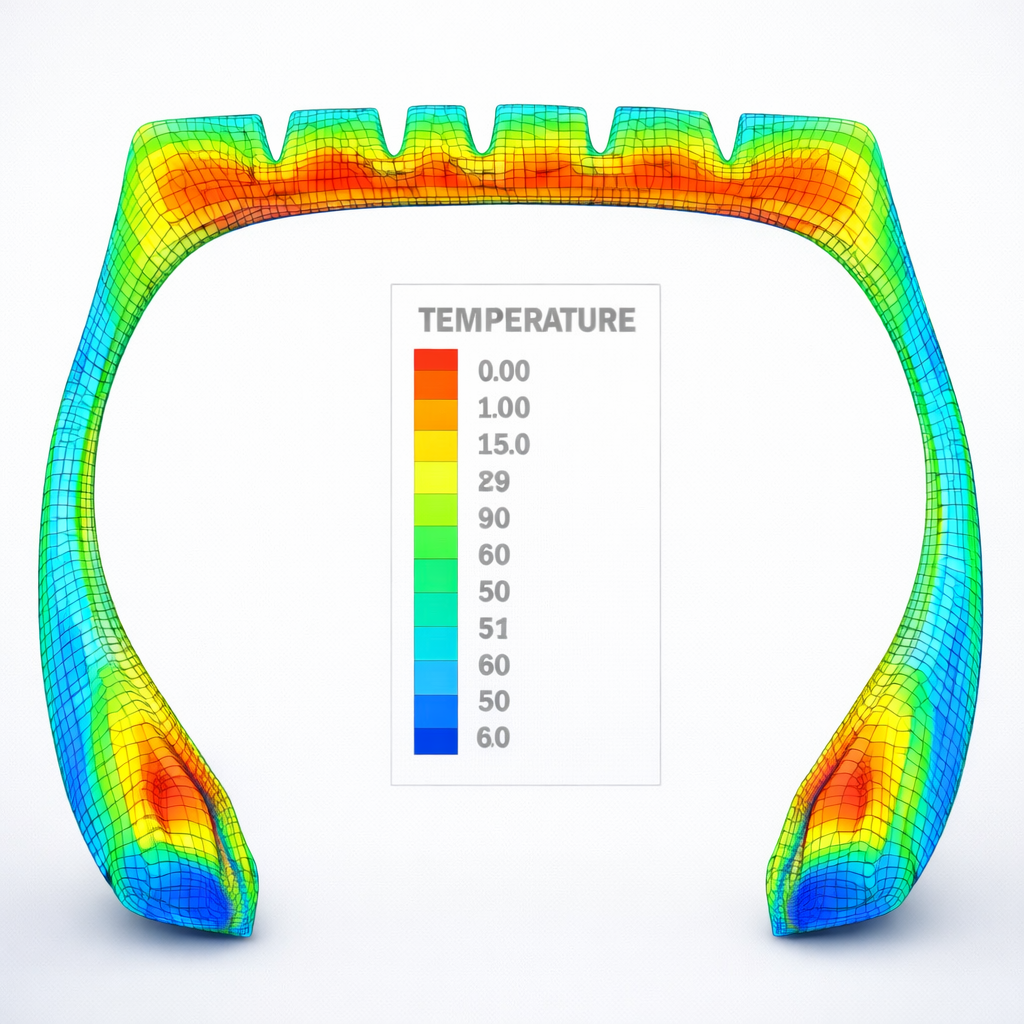
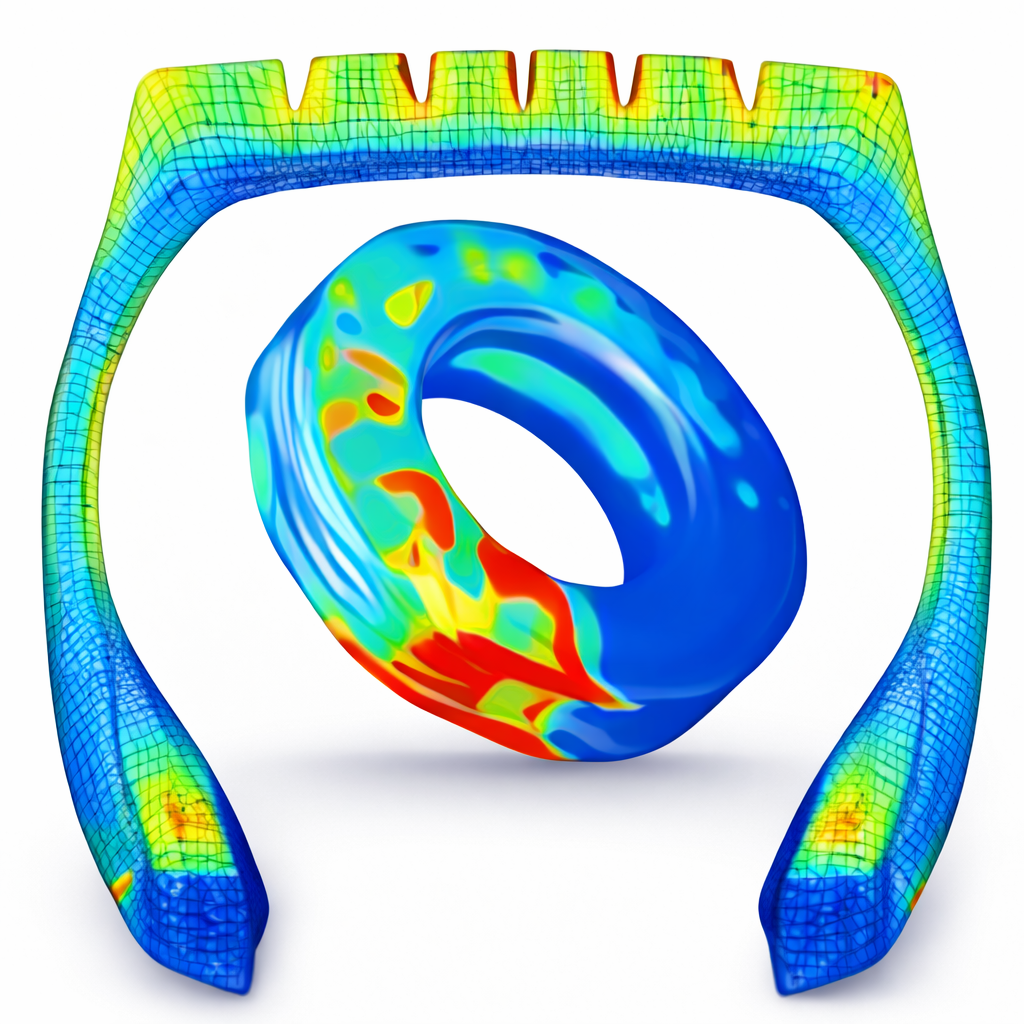
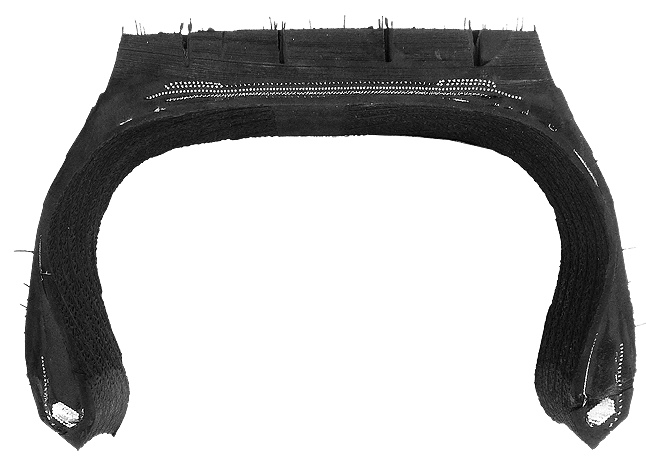
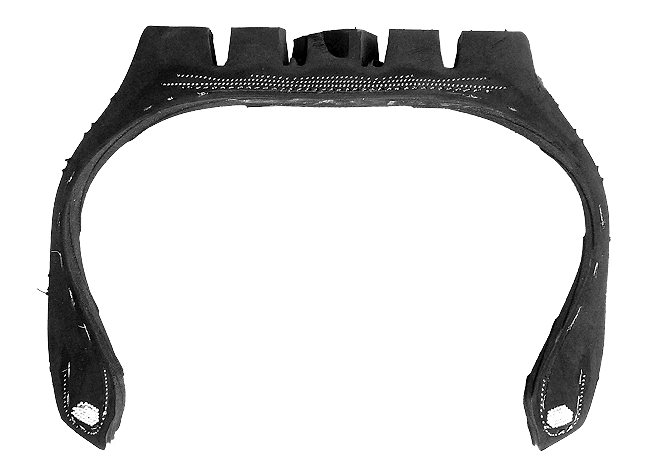
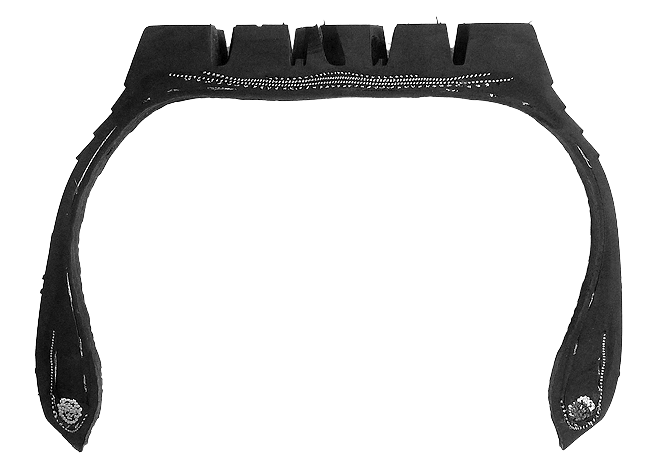
FEM stress mapping identifies structural weak points and validates reinforcement placement before production.
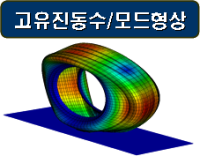
Modal analysis determines natural frequencies and vibration modes to engineer resonance-free operation.
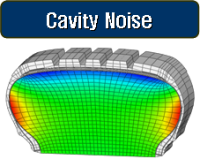
Internal air cavity resonance simulation optimizes tire geometry to minimize road noise at highway speeds.
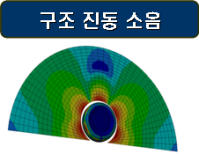
Vibration transfer path analysis reduces noise transmitted through the tire structure to the vehicle chassis.
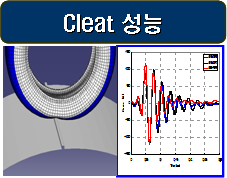
Dynamic cleat impact simulation validates shock absorption and structural resilience over road obstacles.
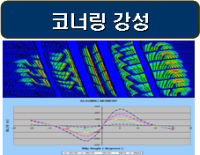
Lateral force analysis ensures predictable handling and directional stability during cornering maneuvers.
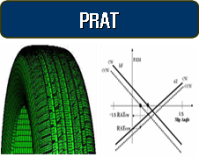
Plysteer residual aligning torque optimization minimizes lateral pull for straight-line tracking stability.
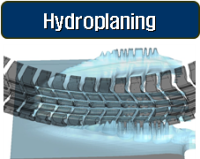
Water evacuation simulation optimizes groove depth and pattern design for maximum wet traction safety.
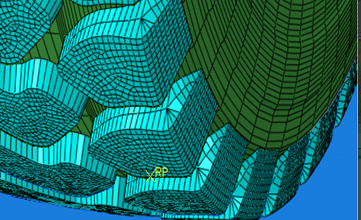
Contact patch deformation analysis under braking validates compound grip and tread block stability.
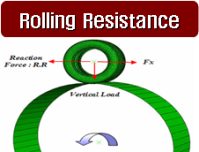
Hysteresis loss simulation minimizes energy waste while maintaining grip, directly reducing fuel consumption.
Key TBR Technologies
Manufacturing Excellence
State-of-the-art manufacturing processes ensuring consistency, durability, and performance in every tire.
Advanced forced extrusion technology ensures precise rubber compound distribution, resulting in uniform tread profiles and consistent tire quality across every production run.
Pure water large-circulation cooling ensures internal product temperature below 30 degrees C after production, improving dimensional stability and surface quality of semi-finished products.
Sector pressure maintained at a stable 8.5 bar with consistent rise and fall. Cord straightness is optimized, reducing bending from 3-5 to just 1-2 for superior structural integrity.
Integrated in-machine composite extrusion of three rubber grades protects steel wire ends, provides flex transition space, reduces heat generation and fatigue aging, extending service life.